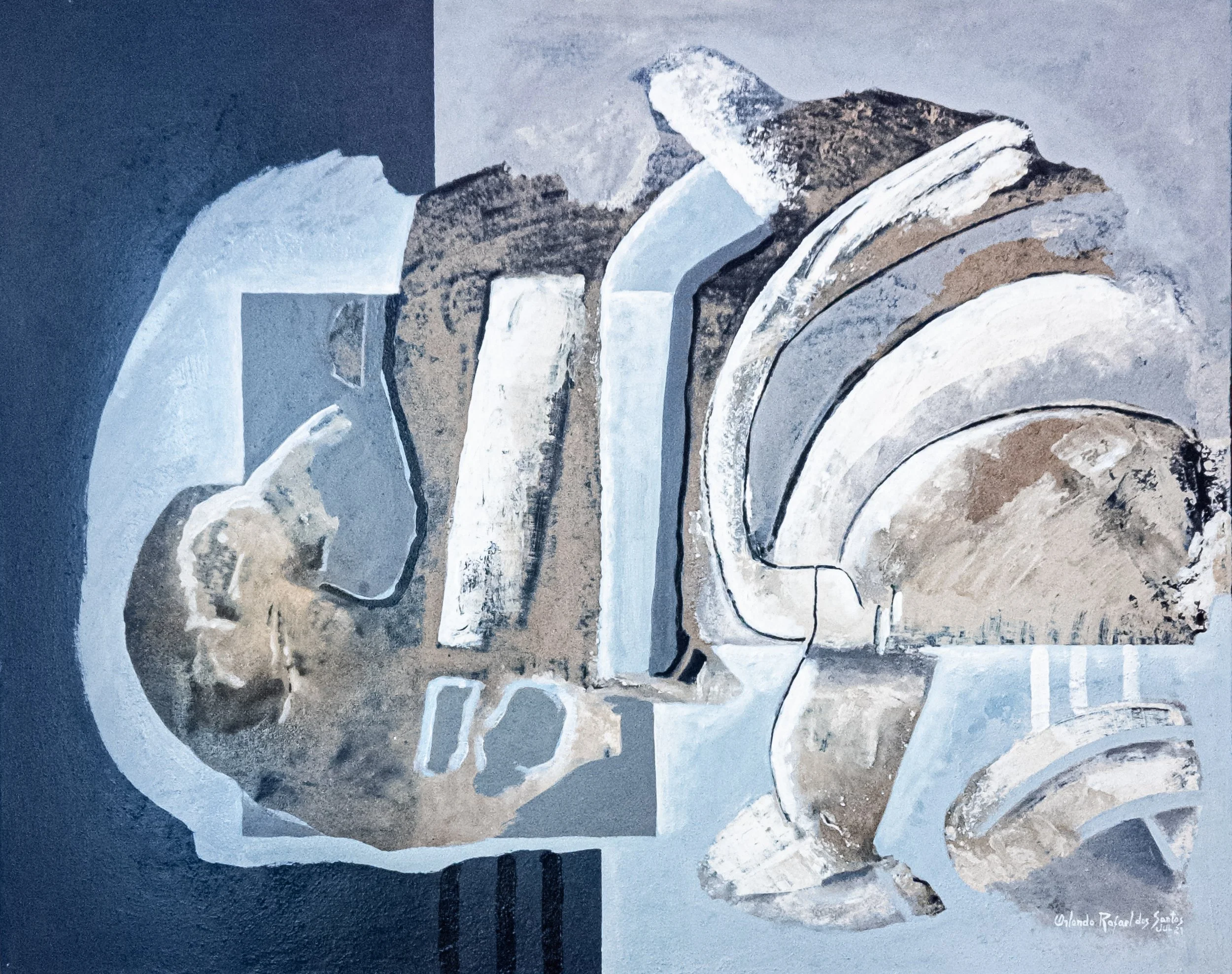
FERTILE GROUND BRAZIL
A painting-based research on soil as geopolitical, historical and affective material
FERTILE GROUND BRAZIL is a long-term painting project that investigates soil as a geopolitical, historical and symbolic material.
By transforming Brazilian earth into pigment and surface, the work shifts the ground from a site of extraction into a living archive of memory, origin and belonging.
The project departs from the first colonial description of Brazil as a fertile land in the 1500 letter of Pêro Vaz de Caminha and repositions this narrative within the contemporary global dispute over rare earths — territories whose material value defines current structures of power.
Here, the soil is not approached as a resource, but as a condition of existence.
soil as archive
The ground operates as a material record where time, history and experience are sedimented.
Pigment is understood as a territorial element, linking colour to global systems of extraction, circulation and power.
rare earth geopolitics
decolonial materiality
The work reclaims land as memory and belonging, shifting it from economic value to cultural and existential presence.
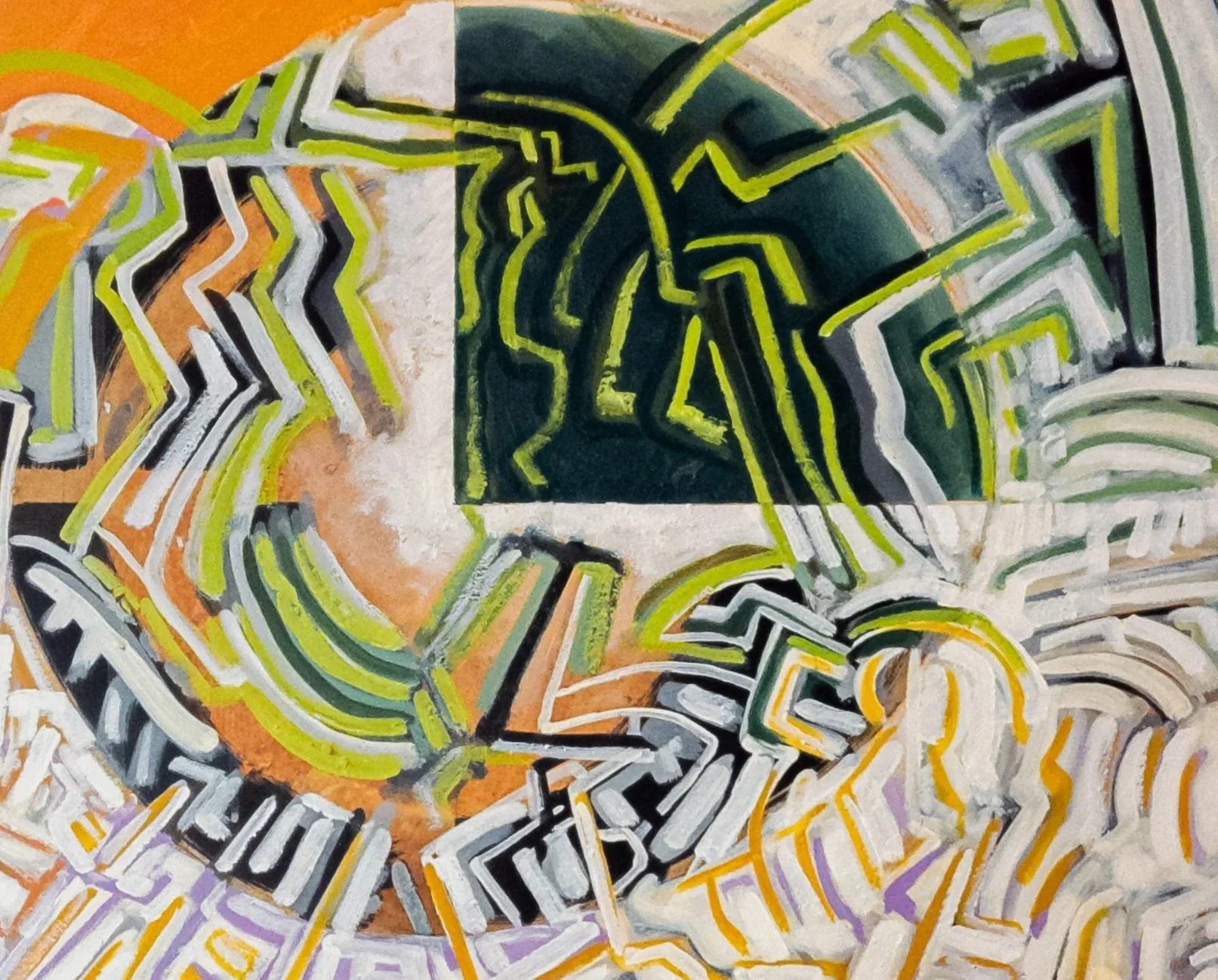
Each painting is constructed through pigments historically named after their geographical origins — Siena, Umber, Cobalt, Prussian Blue — revealing how colour itself carries the history of displacement, trade and territorial control.
By using earth from Brazil as both material and concept, the paintings transform common ground into “rare earth”, not through extraction, but through perception, memory and projection.
In this process, painting becomes a cartography.
The works exist between geological time and historical time.
They propose the land as a breathing body — a field where personal origin and planetary condition become inseparable.